Understanding Commercial Property Assessment in Dufferin County
Commercial real estate in Dufferin County does not behave like a single market. Values move differently in Orangeville compared to Shelburne, and a rural industrial yard in Amaranth rarely tracks a medical office on Broadway. That variety is part of the appeal, but it can complicate any conversation about assessment, appraisal, and tax exposure. Getting oriented to how the system works, who does what, and what drives value on the ground will save you time and reduce expensive surprises.
Assessment, appraisal, and the roles you will meet
Two concepts get blurred in day‑to‑day conversations: assessment and appraisal. They sound similar, but they serve different ends, follow different rules, and often arrive at different numbers.
In Ontario, the Municipal Property Assessment Corporation, better known as MPAC, sets assessed values for property taxation. MPAC analyzes large datasets, calibrates models by property class, and assigns an assessed value as of a mandated valuation date. The County and local municipalities apply their tax rates to MPAC’s assessed value to create your final tax bill.
An appraisal, by contrast, is a point‑in‑time opinion of market value for a specific purpose, most often lender underwriting, financial reporting, litigation, or a negotiated transaction. Appraisals are performed by designated professionals, commonly AACI‑designated members of the Appraisal Institute of Canada. When owners ask for a commercial building appraisal in Dufferin County, they are usually dealing with commercial appraisal companies retained by a bank, a buyer, a court, or the owner. Independent reports can also inform challenges to MPAC’s value, but an appraisal and an assessment are not interchangeable documents.
In short, MPAC handles commercial property assessment in Dufferin County for taxes. Commercial building appraisers in Dufferin County handle market value assignments for private use. Both rely on market evidence, yet they apply different standards, make different assumptions, and work to different effective dates.
What drives commercial value locally
Three broad approaches to value exist in professional practice: the income approach, the direct comparison approach, and the cost approach. All three show up across the county, but their weight shifts with property type and data quality.
Income approach. Most income‑producing assets in Dufferin County, such as multi‑tenant retail plazas in Orangeville or office condos leased to medical users, are valued on their stabilized net operating income capitalized by a market‑derived cap rate or through a short discounted cash flow model. Cap rates in smaller markets tend to be higher than in the GTA core to compensate for thinner tenant rosters and less liquidity. Investors often trade suburban community retail or small‑bay industrial at cap rates that, historically, sit a notch above comparable assets an hour south. In an appraisal, the valuer will normalize vacancy and expenses, then test the result against sales.
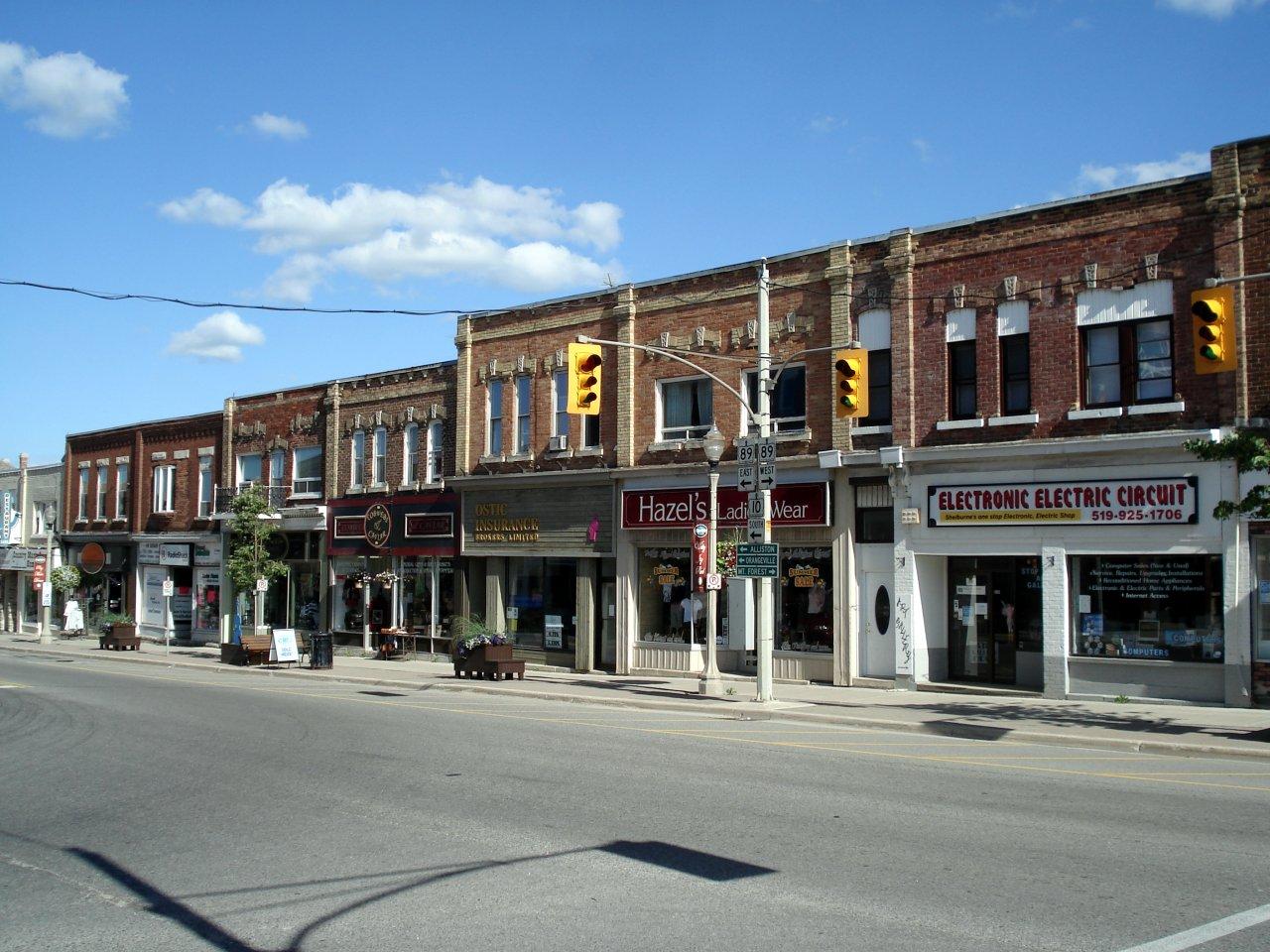
Direct comparison approach. Owner‑occupied buildings and simple single‑tenant assets often lean on the sales comparison method because rent data can be sparse or distorted by related‑party deals. In Dufferin County, sales evidence tends to cluster along the Highway 10 corridor, around Orangeville’s commercial nodes, near Shelburne’s growth areas, and in rural industrial or agricultural pockets where commercial uses are permitted by zoning. Adjustments for location, age, condition, and building functionality carry extra weight when the comparable pool is small.
Cost approach. For special‑purpose buildings or very new construction where depreciation is limited, the cost approach can be an important cross‑check. Think of a purpose‑built veterinary clinic, a food processing facility with specialized improvements, or a storage yard with heavy site work. Land value needs to be properly supported, which is not trivial for rural commercial and industrial parcels where permitted densities and servicing levels vary.
A commercial building appraisal in Dufferin County will often blend these approaches, not in a mechanical average, but in a reasoned reconciliation that emphasizes the method best supported by evidence.
Reading the map: local nuances that move the needle
Orangeville remains the county’s primary commercial hub. Broadway’s older stock attracts service retail and professional offices, while newer nodes near big‑box anchors draw national chains and medical tenants. Assets with strong traffic exposure and modern parking layouts generally lease faster, and a well‑located pad site with a drive‑thru can command strong ground rent. That said, small bay industrial on the outskirts has become scarce relative to demand at times, which props up both sale prices and lease rates for clean, functional units with clear heights over 18 feet.
Shelburne has seen pronounced residential growth across the last decade. As rooftops multiplied, convenience retail and quick‑service food followed. Stand‑alone institutional and automotive uses along Highway 10 show stable demand. Investors often discount for tenant rollover risk and the smaller trade area, but well‑leased plazas can fetch solid pricing when terms are seasoned and tenants align with daily needs.
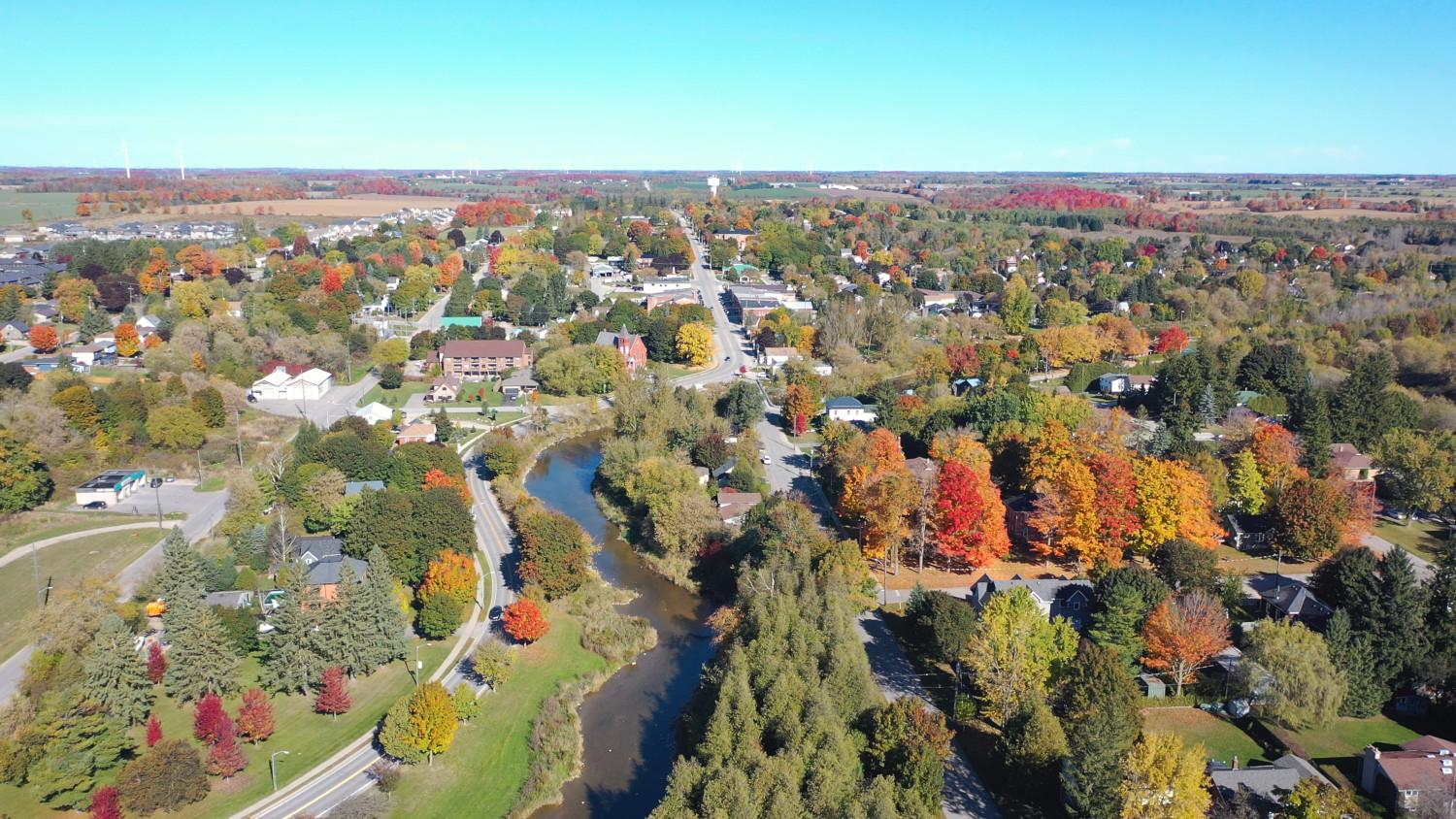
Mono, Amaranth, and Melancthon hold a different profile. Zoning is decisive. Rural commercial or industrial parcels with highway exposure, heavy power, and truck‑friendly access trade at a premium to backlot lands. Lack of municipal services can cap achievable density, which matters for land valuation and redevelopment plays. On the flip side, lower taxes and cheaper land can make contractor yards, logistics overflow, and outdoor storage viable where they would not pencil inside larger urban boundaries.
Across these submarkets, physical obsolescence shows up in low clear heights, limited loading, shallow truck courts, and under‑parked retail. Functional mismatches erode value more than a coat of paint can fix. Buyers will underwrite capital expenditures to cure issues, then reflect that hit in price. A commercial land appraiser in Dufferin County will also probe site drainage, environmental history, and stormwater capacity, as rural sites often require more engineering to support heavier uses.
The income approach, step by step
For income properties, the mechanics are straightforward even if the inputs demand judgment. Start with rent. For a typical Orangeville plaza, you might see national tenants secured at net rents that reflect credit quality and tenant improvement allowances, and local tenants paying a notch below with shorter terms. Market rent conclusions must filter out inducements and unusual kickers. Second, vacancy and collection loss. In healthy corridors, stabilized vacancy might be pegged in the low single digits, but single‑tenant assets should carry an allowance that reflects the downtime and costs if the tenant leaves.
Operating expenses are next. Investors in the area usually underwrite management at a small percentage of effective gross income even for owner‑managed assets, and they will normalize repairs and maintenance if a particular year is high or low. Non‑recoverable expenses, such as structural reserves or roof set‑asides, can be modest for small buildings yet still material in valuation.
Capitalization rates close the loop. The appraiser will assemble a band of evidence from local sales, cap rate surveys with caution, and investor interviews. If a grounded range suggests 6.75 to 7.5 percent for a certain class of retail in Orangeville at a given time, the choice within that band depends on lease rollover, tenant credit, physical risk, and location. A clean rent roll with five or more years of weighted average lease term deserves a sharper cap than a building packed with month‑to‑month locals.
Landlords and tenants sometimes ask about percentage rent, options, and exclusivity clauses. Those details matter. Percentage rent that rarely triggers might not add measurable value, while a tight exclusivity clause can subtly cap the landlord’s ability to curate a tenant mix that maximizes site sales and, by extension, renewal leverage.
Land valuation and highest and best use
Land is rarely a commodity in Dufferin County. Even within a single designation, two parcels can vary by servicing, frontage, topography, and permit timing. A commercial land appraiser in Dufferin County will not stop at acreage times a per‑acre rate. They will run a residual land value where density is defined, or a per‑buildable‑square‑foot analysis if a site plan supports it. In rural industrial settings, the unit of comparison might be per usable acre after wetlands, setbacks, and stormwater ponds are accounted for.
Highest and best use analysis requires a grounded reading of the County Official Plan and the applicable municipal zoning by‑laws. For example, an older single‑storey office on a deep lot near a growing arterial might pencil as a small medical complex if parking ratios and access can be satisfied. A former agricultural parcel near a highway interchange might support a contractor yard on paper, yet still fall short if sightlines, turn lanes, or MTO permits are impractical. Appraisers test legal permissibility, physical possibility, financial feasibility, and maximum productivity. All four filters matter.
Assessment mechanics and why your tax bill moves
Commercial property assessment in Dufferin County is model‑driven. MPAC groups properties by class and subtype, calibrates values to a valuation date, and applies that base across multiple tax years. If you sold a small warehouse in Mono two years ago at a number materially below MPAC’s value, that does not automatically reset your assessment. The sale is one data point in MPAC’s mass appraisal model, and timing, conditions of sale, and property specifics still need to line up.
Owners often ask why two similar buildings on the same street carry different assessments. A few common reasons appear. One owner filed a Request for Reconsideration with better evidence when the cycle began. Another property has an addition MPAC did not fully capture. A third has a mezzanine that looks like storage but functions as office. In mass appraisal, uniformity and equity targets can sometimes overshoot on individual files. That is why documenting your property, inside and out, matters when the bill does not make sense.
If the building is income‑producing, MPAC may analyze reported rent rolls and expense data you submit. The agency’s templates are simplified compared to a lender’s due diligence, and their model assumptions for vacancy and expenses are generalized. That is not a flaw so much as a feature of mass appraisal. The flip side is that a carefully prepared owner package can improve the result. If your plaza’s common area maintenance is higher because of a complex elevation or snow removal pattern, say so and provide the contracts.
Preparing for a private appraisal or a focused assessment review
When owners say they need a commercial building appraisal in Dufferin County, they are often on the clock with a lender or buyer. The quality of what you hand over in the first 48 hours shapes the report’s timeline and, at times, the valuer’s comfort with risk.
- Assemble tenancy details that matter: rent schedules with start dates, expiries, options, rent steps, and inducements; copies of leases or at least the clauses on use, assignment, exclusivity, and restoration.
- Document capital work over the last five to ten years: roofs, HVAC, paving, fire systems, and any Code‑driven upgrades. Include invoices or summaries with dates and warranties.
- Map site constraints: easements, encroachments, access agreements, and any pending municipal works. A simple sketch that shows truck paths, loading doors, and parking counts helps.
- Provide operating statements for the prior three years and a current year‑to‑date, with a brief note on any anomalies.
- Flag environmental and building file items: Phase I reports, permits closed or outstanding, and any Ministry correspondence.
Those same items can serve you well in an assessment review. MPAC appreciates clear, consistent data, and the more you align your story with their model levers, the more likely you are to find agreement.
Common pitfalls that erode value
I have yet to see a perfect file. A few recurring issues show up across the county. Self‑managed landlords sometimes carry rents under market because the original tenant was a friend or because the lease never kept pace with inflation. If renewal options are below current levels, buyers will mark the valuation down even if they expect to renegotiate. On the industrial side, older sprinkler systems or missing backflow preventers can derail financing until corrected. In retail, parking ratios that barely meet zoning can feel tight once tenant mix shifts to food and service uses, and lenders price that risk.
On land, surveys that mask encroachments or wetlands trigger costly delays. A 20‑acre industrial parcel that nets only 12 buildable acres after buffers should trade on those 12, not the headline 20. Appraisers and sophisticated buyers will do the math. So will MPAC when they catch up to a new site plan.
The appeal path when MPAC’s value does not track reality
Owners are not stuck with an assessment they believe is wrong. The Request for Reconsideration process is designed to resolve many files without a hearing. If you prepare well, you have a decent chance of success.
- File the Request for Reconsideration within the applicable deadline and tailor your case to MPAC’s framework. Anchor your request to the legislated valuation date, not today’s market, and present sales, income evidence, or physical facts that survived that date.
- If you proceed to the Assessment Review Board, organize your evidence as if a third party with no history with the property needs to follow it. Sequence matters: legal description, photographs, permits, leases, income statements, and sales or rents with adjustments explained in plain language.
The best outcomes often come from narrowing the dispute to two or three points the model can absorb. You are unlikely to reset a plaza’s value on a subjective argument about tenant quality. You might succeed by demonstrating that two comparable sales used in MPAC’s calibration were post‑renovation and your building is not, or that a structural issue adds quantifiable cost to cure.
Special cases: medical, automotive, and special‑purpose assets
Medical space in Orangeville and Shelburne commands rents and retention patterns that differ from generic office. Patients value proximity and convenience, so doctors often extend or expand rather than relocate. Build‑outs are capital‑intensive, and landlords amortize improvements into rent. For appraisal, that can mean a higher stabilized rent but also higher tenant improvement allowances and, at times, longer free rent during major refits. For assessment, MPAC’s office model may not reflect those dynamics unless you submit the data.
Automotive uses, from small repair shops to branded sales and service, bring environmental sensitivities and site layout demands. Drive‑through bays, curb cuts, and display areas drive value more than interior finish. Sales evidence can be thin, so a valuer might triangulate from adjacent communities https://deanxmgv839.yousher.com/common-mistakes-to-avoid-in-commercial-building-appraisal-in-dufferin-county and apply careful adjustments. For taxes, a misclassification between retail and automotive bays can misstate the economic profile.
Special‑purpose industrial, such as small food processing or equipment rebuild facilities, lean heavily on the cost approach, with extra scrutiny on mechanical and electrical capacity. Buyers pay for power, drainage, and specialized improvements only to the extent those features are transferable to the next user. If the improvements are too custom, functional obsolescence eats into value, and assessments that treat those costs as fully contributory may overstate reality.
Working with commercial appraisal companies in Dufferin County
When you engage commercial appraisal companies in Dufferin County, ask about their recent files by property type and submarket. A firm that just completed three small‑bay industrial assignments in Mono knows what tenants are paying and what buyers will accept for roof age, lighting, and loading. For a commercial building appraisal in Dufferin County, AACI‑designated appraisers bring a common standard, but lived familiarity with local town halls, permitting habits, and what lenders will flag on inspection adds practical value.
Fee quotes in this region are often modestly higher for rural industrial or special‑purpose assets because of travel and thinner data. Timelines vary by season, but a straightforward single‑tenant building with clean documentation can often be turned in one to two weeks. Multi‑tenant income properties or land with complex approvals take longer, often three to four weeks or more, particularly if third‑party confirmations are required.
If your focus is land, ask for a scope that includes a highest and best use write‑up that you can hand to your planner. The best commercial land appraisers in Dufferin County are comfortable aligning their conclusions with current policy and recent committee of adjustment decisions, not simply provincial guidance.
Financing, accounting, and why purpose matters
The same building can generate three different numbers depending on why you ordered the appraisal. Lenders typically want a conservative, current market value with ample testing under vacancy and expense stresses. They scrutinize tenant rollover and building systems. For financial reporting, fair value under IFRS or value under ASPE may involve different definitions and disclosure, and auditors will ask whether the report’s scope fits the standard. For expropriation or litigation, the effective date and assumptions are set by legal process. If you are hiring commercial building appraisers in Dufferin County, be clear about purpose, definition of value, and date. It sounds obvious, but mismatches create rework.
Translating value into decisions
A strong appraisal or a corrected assessment is not the goal in itself. The point is better decisions. A landlord with a maturing mortgage on a Shelburne retail pad might use the income analysis to structure renewals that smooth rollover and lower cap rate risk. A buyer of a rural yard in Amaranth can use a land residual to justify spending on stormwater improvements that unlock higher rent from logistics users. An owner with an over‑inflated assessment can redirect tax savings into HVAC replacements that protect NOI.
Specificity wins. Numbers tied to leases, permits, and invoices change minds, whether at a credit committee, an audit meeting, or MPAC’s desk. If you invest the time to understand how commercial property assessment in Dufferin County is built, and if you hire commercial appraisers who do not treat the county as an afterthought, you will see the benefit in the only place that matters, your bottom line.