Dufferin County Commercial Property Assessment: A Complete Guide
Commercial property taxes in Dufferin County hinge on a single number, the assessed value of your real estate. Get that number right and your budget stays predictable. Get it wrong and you will pay more than your fair share for years. Owners and tenants both feel the impact, since most triple net leases pass taxes through to the occupant. This guide explains how valuation really works for commercial assets in Dufferin County, where the pitfalls hide, and how to navigate requests for reconsideration, appeals, and private appraisals with confidence.
Who assesses commercial property in Dufferin County, and how taxes flow
In Ontario, the Municipal Property Assessment Corporation, MPAC, determines the Current Value Assessment, often called the CVA, for each property. Municipalities and the County set tax rates and issue the tax bills, but they do not set your assessment value. For commercial, industrial, and multi residential assets, the assessed value feeds into tax rates that are higher than the residential rate and may include education and local levies.
Most owners receive a Property Assessment Notice when MPAC changes something that affects value, for example a major renovation, an addition, a change in classification, or a sale that triggers a data refresh. Ontario’s province wide reassessment has been frozen at a base date of January 1, 2016 for several years. The province has indicated a future update, but until a new cycle is announced and implemented, many commercial assessments still reference that 2016 valuation date. That gap matters because market rents, capitalization rates, and construction costs have moved significantly since 2016. You need to understand which base date governs your particular notice and tax year. Read the notice carefully and confirm deadlines, since the clock for a review or appeal runs from the mailing date.
The three valuation approaches MPAC uses, and when each one matters
Assessors and commercial appraisal companies in Dufferin County draw on the same core valuation methods used across Ontario. The weighting shifts by property type.
Income approach. For leased investment real estate, the income approach dominates. MPAC estimates potential gross income, deducts typical vacancy and credit loss for the area and asset class, then subtracts non recoverable operating expenses to derive a net operating income. That NOI gets capitalized by a market derived rate. For example, a single tenant industrial building in Orangeville with stabilized NOI of 280,000 and a market cap rate of 6.5 percent would indicate a value near 4.3 million, subject to adjustments for remaining lease term, landlord obligations, and property specific risk. MPAC typically uses market rents, not the contract rent, unless your lease is at market and arms length.
Sales comparison approach. For small retail pads, medical condos, owner occupied buildings, or mixed use assets with active sales, comparable transactions anchor value. In Dufferin County, the sales universe is thinner than in Toronto or Mississauga, so MPAC often expands the search radius along Highway 10 and Highway 9 corridors and into neighbouring counties, then makes location and condition adjustments.
Cost approach. For special purpose assets with few sales or for new construction, MPAC will estimate replacement cost new, then deduct physical depreciation and obsolescence. Construction costs jumped in the 2020 to 2023 window, and some costs have eased or plateaued since. If you completed a building in 2022 at 350 to 400 per square foot for a branded quick service restaurant with drive thru, you might see MPAC anchor to similar cost data. Functional or external obsolescence, like limited parking or access constraints along a county road, can support downward adjustments that owners often overlook.
Good commercial building appraisal in Dufferin County weighs all three methods, with highest and best use at the core. If vacant industrial land along C Line in Orangeville pencils higher for redevelopment than for continued garden centre use, the land value may set the floor.
A local lens on Dufferin County’s commercial market
Dufferin County is compact but varied. Orangeville is the retail and services hub, Shelburne has grown fast with residential subdivisions, and towns like Grand Valley and Mono see steady small business demand. Industrial tenants priced out of the GTA have pushed outward, chasing small bay units with drive in doors and modest power. That spillover altered rents and cap rates.
Industrial. Small bay industrial in Orangeville has tightened materially relative to the mid 2010s. Typical clear heights of 16 to 22 feet, simple specs, and a scarcity of new supply support higher rents. As a broad range, stabilized cap rates for ordinary small bay industrial in the outer GTA have been seen anywhere from the mid 5s to the low 7s in recent years, depending on covenant, quality, and lease term. In Dufferin, expect the upper half of that range unless you have a newer building with strong tenancy.
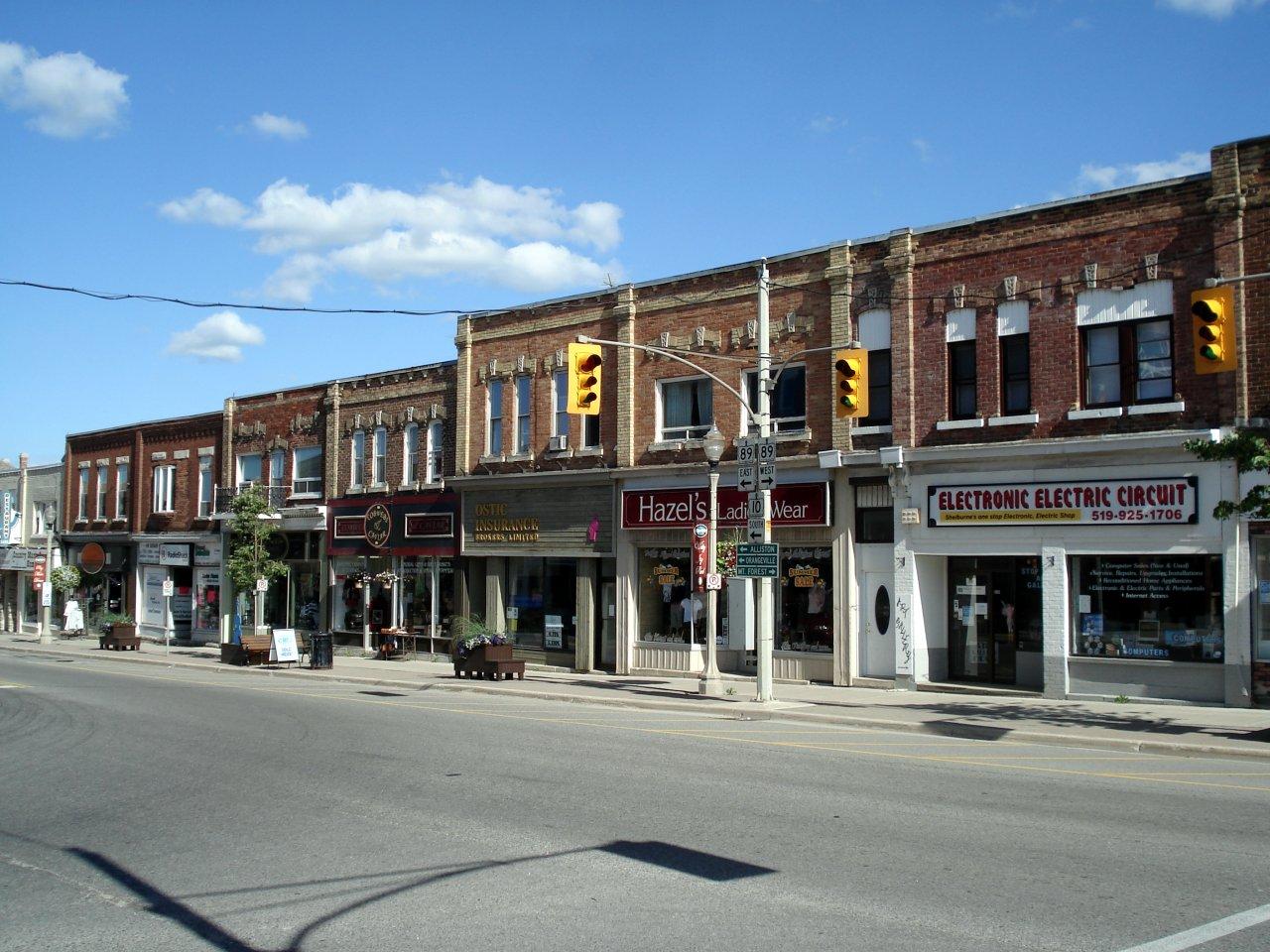
Retail. Highway commercial pads, gas bars with c stores, and grocery anchored strip centres line the main corridors. Neighborhood strips with service tenants, think dentists, fitness, QSR, have fared well if parking and visibility are good. Mom and pop strips with dated facades or shallow bays trade wider. Cap rates typically run a bit above those seen in prime GTA suburbs. Use a range rather than a point, and match the range to tenancy length and replacement rent potential.
Office. Second floor walk ups and small professional buildings serve local needs, but demand softened post 2020. Vacancy can linger. If MPAC is capitalizing above market rents for a Class B building without an elevator in downtown Orangeville, there may be room to challenge.
Hospitality and auto related. Motels along older highways, independent car washes, and repair garages are common. These require careful separation of real estate value from business value and equipment. For instance, a tunnel wash includes equipment that depreciates faster than the building shell.
Agricultural commercial and quarries. Dufferin includes rural commercial operations and aggregates. Each has quirks, from MTO access permits to site specific zoning and rehabilitation requirements. For these, commercial land appraisers in Dufferin County often lead with land value plus contributory improvements, tempered by operating constraints.
Development land. Shelburne and Grand Valley have seen planning activity where residential growth nudges commercial corners into play. Servicing capacity, frontage, and intersection control matter. Residual land valuation ties back to end use pro formas. If stormwater takes a bigger chunk than anticipated, the residual can fall sharply, and so should assessed value.
What MPAC needs to see to get value right
Assessors run on data. If you do not provide current lease abstracts, rent rolls, and expense details, they default to mass appraisal assumptions. Owners who hand in clean, defensible numbers tend to get more accurate results.
Document checklist for a smooth commercial property assessment review
- Current rent roll with lease start and expiry dates, rent steps, area by tenant, and recovery structure
- Three years of actual operating statements that separate recoverable and non recoverable expenses
- Copies of major leases, amendments, and any side agreements that affect rent or options
- A site plan and building drawings showing gross and rentable area, mezzanines, and any cold storage or specialty buildouts
- Notes on recent capital projects or impairments, with costs and in service dates
Even straightforward retail strips benefit from clarity on vacancy allowances. A long term 8 percent structural vacancy in a tertiary location is not unusual. If MPAC uses 2 or 3 percent because the provincial model clusters you with stronger nodes, your value inflates.
Reading your Property Assessment Notice with a critical eye
MPAC’s notice is dense but readable if you slow down. Confirm the following:
- Tax class and any sub class. Some properties qualify for commercial excess land sub classes when portions are vacant and not in use. Those attract lower tax rates, and the definitions have narrowed over time.
- Current Value Assessment and the base date. Many commercial accounts still cite 2016 as the valuation date. If you completed a major addition in 2022, MPAC may reflect it while still tethering values to the 2016 market. That blending can produce odd results that justify a closer look.
- Property description and areas. Mezzanine mismeasurement is common. A 1,200 square foot storage mezzanine mistakenly counted as full retail will push value and taxes.
- Noted changes that triggered the notice. If MPAC attributes a value jump to a “renovation,” but you merely replaced rooftop units, you have room to challenge.
Remember that municipal tax rates change yearly. Assessment is one lever, tax policy another. Talk with your municipality about any local programs, since Ontario phased out the old vacancy rebate and replaced it with optional local tools. Dufferin municipalities have adjusted their programs at varying times.
The appeal path, simplified
For commercial classes, you may seek a Request for Reconsideration with MPAC or file an appeal directly to the Assessment Review Board, ARB. Your Property Assessment Notice sets the deadlines, which commonly fall on March 31 of the taxation year, or a specified number of days after the notice if it arrives mid year. Missing the date closes the door until the next cycle or a qualifying change.
How to move from assessment shock to a resolved value in five steps
- Mark the deadline from your notice and decide early whether to file an RfR with MPAC or appeal to the ARB
- Assemble the documents listed earlier and draft a short narrative that explains the property, tenancy, and any issues
- If filing an RfR, upload your package through MPAC’s portal and request an income worksheet to see their assumptions
- If going to the ARB, file on time, then continue to discuss with MPAC since most cases settle before a hearing
- If positions are far apart, retain an AACI designated appraiser to produce a CUSPAP compliant report that can anchor negotiation or testimony
For mid sized assets, I prefer starting with an RfR if time allows. It is less formal, less costly, and you can still appeal to the ARB in many cases, provided you track separate deadlines. Some owners go straight to the ARB when a hard cap rate or land valuation dispute is likely. Either way, be specific about errors and supply evidence. Saying “taxes are too high” is not an argument.
Where MPAC’s model often misfires, and what to do about it
Contract rent vs market rent. MPAC is supposed to use market rent. That helps owners with older leases below market and hurts those with above market rents. If you signed a ten year lease at a premium to secure a credit tenant, you may need to adjust MPAC’s income assumptions down to what the market would pay for your shell and location, not the contract.
Non recoverable expenses. Many small owners forget to quantify management, leasing, and structural reserves that are not recovered from tenants. Even a modest 3 percent management fee and a 0.25 to 0.50 per square foot reserve for roof and parking can change NOI meaningfully.
Vacancy and downtime. A model might use 2 to 3 percent vacancy in a tight submarket, but if your asset has chronic turnover due to access issues or shallow bays, support a higher stabilized allowance with a three to five year leasing history.
Capitalization rate selection. Cap rates move with interest rates, risk, and growth prospects. Provide actual sales or third party broker opinion letters that place your asset at a sensible point in the local range. A single tenant building with three years left to a local covenant deserves a higher cap rate than the same box with an eight year term to a national pharmacy.
Cost approach depreciation. For older industrial with low clear heights, functional obsolescence can be real. Bring in evidence of rent discounts and tenant feedback to support additional depreciation beyond simple age.
Commercial land valuation and the development trap
Land value drives many assessments, especially where the improvement is modest relative to site size. For highway commercial corners and undeveloped parcels, MPAC will lean on comparable land sales adjusted for services, frontage, and traffic exposure. Where land is zoned but unserviced, the gap between gross and net developable area can be large. Depth of stormwater ponds, road widenings, and environmental set asides all reduce yield.
Residual analysis helps settle disputes. Start with end use economics, back out soft costs, construction, financing, developer profit, and carrying. In Shelburne, a proposed 8,000 square foot retail plaza that pencils at an end value of 3.8 to 4.1 million with a profit of 15 to 18 percent can leave a land residual as low as the high teens per square foot once you load servicing and timelines. If MPAC pegs the site at numbers that only make sense with a faster lease up or lower build costs than reality, push back with a pro forma that matches current rents and exit cap rates.
For farm parcels transitioning to future commercial, highest and best use analysis becomes critical. Until planning is sufficiently advanced and servicing is realistic, a speculative premium should be modest.
Working with commercial building appraisers in Dufferin County
There is a time to debate MPAC assumptions and a time to bring in an independent value opinion. Lenders, buyers, and the ARB look for reports prepared under CUSPAP by AACI designated appraisers. Local familiarity helps. Commercial building appraisers in Dufferin County know which side streets in Orangeville capture drive by traffic, how winter maintenance affects small bay industrial parking, and where future road work will disrupt access. Commercial land appraisers in Dufferin County know which corners are constrained by MTO permits and sightline triangles. When you seek commercial building appraisal in Dufferin County, define the purpose clearly, tax appeal vs financing vs purchase, since scope and assumptions differ.
A good retainer letter sets standards. Identify the effective date of value, the property interest appraised, fee simple vs leased fee, intended users, and reliance rights for your lawyer or lender. If your outcome depends on a narrow cap rate band, ask the appraiser to include a sensitivity table that shows value shifts at quarter point intervals. For complex assets, request an exposure and marketing time estimate and discuss extraordinary assumptions upfront, for example, pending environmental remediation.
Taxes, programs, and timing tactics that owners often miss
Section 357 applications. If your building suffered damage, was demolished, or was vacant for part of the year under qualifying circumstances, you may reduce taxes under section 357 of the Municipal Act. This is separate from the old vacancy rebate and has strict timelines and evidence requirements. If a fire closed your restaurant for four months, file quickly with photos, invoices, and permits.
Sub class opportunities. Portions of a commercial property that are not used may qualify under an excess land sub class if they meet the definition. This is not automatic, and rules have tightened. Maps showing fencing, yard usage, and storage patterns help.
Tenant cooperation. In a triple net context, tenants pay the taxes but often lack motivation to engage in assessment reviews unless you coordinate. Build cooperation clauses into new leases, including obligations to provide sales and rent data for assessment purposes.
Phase in rules. When Ontario resumes province wide reassessment, expect any increases to be phased in over multiple years. Decreases, however, generally apply in full right away. If your building has a chronic functional deficit, getting that recognized before a new cycle starts can lock in savings.
Capital projects and their effects on assessment
Capital work attracts MPAC’s attention, but not every dollar of spend translates to assessable value. Landlord funded tenant improvements that are removable and specific to one user, for example food prep lines or specialized equipment pads, may contribute little to market value for assessment purposes. Conversely, permanent upgrades to base building systems, roofs, and parking lots almost always raise value.
Track your projects in three buckets. Base building replacements that maintain value, base building upgrades that add value, and tenant specific improvements. Photograph before and after conditions and keep unit costs handy. If you convert a gravel lot to a fully lit and striped asphalt yard to secure a logistics tenant, MPAC will likely attribute lasting value. If you add a walk in cooler that a future dry goods tenant will rip out, argue for limited contribution.
Environmental, access, and zoning constraints
Contamination, access limitations, and zoning restrictions weigh on commercial value. In Dufferin County, older service stations and auto shops sometimes carry legacy contamination. Phase I and II reports, Record of Site Condition filings, and remediation cost estimates can justify reductions. Access matters along county roads and provincial highways. If right in right out access prevents left turns at peak times, cite traffic counts and site plan controls to support higher vacancy and cap rates. With zoning, document any minor variance refusals or site specific holding provisions that cap your density or floor area ratio. Restrictions reduce land value more than many owners expect.
Owner occupied versus investment property nuances
An owner occupied building often shows strong financials because the embedded business pays rent or covers costs. For assessment, the market asks what a typical third party tenant would pay for the space. If you run a successful cabinet shop in a 12,000 square foot Mono building and pay yourself rent that is 20 percent above the local market to move cash within your company, MPAC may still anchor to market rent. When selling, buyers will break apart business value, equipment, and real estate. Appraisers will, too. If you need commercial building appraisal in Dufferin County for financing, be clear whether the lender wants fee simple value as if vacant or leased fee based on a hypothetical lease to your operating company.
Practical examples from the field
A small bay industrial condo in Orangeville looked over assessed by 18 percent on first glance. The owner had reported gross rent that included a lump sum for utilities and snow. MPAC treated that entire figure as net rent and applied a 6.25 percent cap. After we separated utilities and common expenses, added a 3 percent management allowance, and noted the 16 foot clear height relative to 22 foot norms, the implied cap moved to 6.75 percent. The reassessed value landed 11 percent lower, which better matched comparable sales.
A Shelburne highway retail pad with a drive thru was newly built at a high cost per square foot in 2022. MPAC’s cost approach number exceeded what the income could support at a realistic cap rate. We provided a stabilized NOI with a two year lease up assumption and pointed to a widening in cap rates for single tenant pads without national covenants. MPAC reweighted the income approach, accepted a modest external obsolescence factor on cost, and reduced the CVA enough to matter.
A rural commercial yard in Amaranth served as a contractor’s depot. MPAC had applied a uniform land rate to the entire acreage. Once we mapped wetlands and the area constrained by an easement, https://troyiful061.image-perth.org/timely-and-compliant-commercial-appraisals-in-dufferin-county the usable yard shrank by nearly a third. Comparable land sales adjusted for usable area brought value down in a way the owner could explain and defend.
Choosing the right moment to order a private appraisal
Not every disagreement requires a full narrative report. For small adjustments, an MPAC income worksheet corrected with current market rent and vacancy can do the job. A letter opinion from a local AACI may suffice if the delta is modest and both parties want to avoid cost.
Order a full commercial building appraisal in Dufferin County when the spread is large, the property is unusual, or the ARB is likely. Hotels, quarries, special use industrial, and large development sites almost always justify a report. If you expect a hearing, ensure your appraiser can testify and that their firm has local market backing as well as access to GTA data for context. Ask about turnaround times. A well supported 80 to 120 page report typically takes two to four weeks once you provide documents and site access, longer for development land with deep planning issues.
How to work well with assessors and keep credibility
Treat the process as a professional dialogue. Be transparent on facts that cut both ways. If your centre just signed a national tenant at market rent after a long vacancy, mention it and show the free rent period and landlord work. Credibility builds with balanced evidence, not selective disclosure.
Do not chase de minimis wins. If you are arguing over 1 or 2 percent on assumptions while ignoring a measurement error that overstates area by 6 percent, you are leaving money on the table. Start with the fundamentals, site size, building area, tax class, then move to income and cap rates.
Finally, track your outcomes. Keep a simple file for each roll year with notice dates, filings, correspondence, and final values. When reassessment resumes province wide, that history will help you prioritize where to spend time and where to accept the model.
The bottom line for Dufferin County owners and tenants
Commercial property assessment in Dufferin County is not a black box if you approach it systematically. Know which valuation method should carry the most weight for your asset, verify MPAC’s data line by line, and bring market evidence local to Orangeville, Shelburne, and the surrounding towns. Use the Request for Reconsideration as a first pass when it makes sense, and do not hesitate to take an appeal to the ARB for principled disagreements. When in doubt, lean on experienced commercial building appraisers in Dufferin County. They are close to the ground, they know how MPAC models behave in this market, and they can produce the kind of analysis that moves the needle. If you own development land, involve commercial land appraisers in Dufferin County early, because the right servicing and yield assumptions drive everything. The combination of clean data, realistic underwriting, and timely filings will keep your commercial property assessment in Dufferin County aligned with reality, which is the only defensible goal.