Common Mistakes to Avoid in Commercial Appraisal in Waterloo Region
Valuing commercial property in Waterloo Region looks straightforward until a funding deadline looms, a partner needs to be bought out, or a tax appeal hinges on a single line item. The market here behaves differently than the headlines from Toronto or the national averages suggest. Light rail reshaped certain corridors, older industrial clusters turned into tech campuses, and highway logistics continues to pull demand south and east toward the 401. If you do not frame the appraisal correctly, small errors cascade into six or seven figures on paper and real dollars at the closing table.
I have watched well‑meaning owners miss opportunities, lenders waste time, and buyers misprice risk because the groundwork for the appraisal was not done, or the wrong assumptions slipped into the report. The following pitfalls show up most often in a commercial real estate appraisal in Waterloo Region, along with practical ways to avoid them. The examples reference Kitchener, Waterloo, Cambridge, and the surrounding townships because local nuance often decides value here.
Treating every submarket like downtown Toronto
Borrowing cap rates, rent assumptions, or vacancy expectations from another city is an easy way to derail a valuation. Waterloo Region has several distinct submarkets, each with different rent elasticity and buyer pools.
Industrial along Fountain Street and Pinebush behaves differently than flex space near Northfield Drive. Retail on Hespeler Road cannot be compared casually to King Street North near the universities, where student foot traffic and transit access pull in different tenants. Downtown Kitchener’s adaptive reuse stock draws tech tenants who will pay for character and proximity to the ION LRT, while peripheral office parks have to compete harder on parking ratios and operating efficiency. Land values near planned Major Transit Station Areas include an embedded option for future density, which is not the same as today’s development feasibility.
A credible commercial appraiser in Waterloo Region spends half the assignment defining the right submarket and the other half proving why the data set is appropriate. When a report lifts comparables from far afield without carefully adjusting for demand drivers, it reads quickly and values poorly.
Blurry rent rolls and incomplete lease abstracts
The fastest way to weaken an income approach is to hand an appraiser a rent roll with gaps or a pile of unabstracted leases. Market value is sensitive to what tenants actually pay, not just the headline rate. I routinely see three recurring issues:
-
Free rent or inducements tucked into a sidebar email. When the cash flow is smoothed across the lease term, the net effective rate often falls 5 to 15 percent below the face rate.
-
Stepped or indexed rents with a fuzzy base year. If the CPI clause is not understood and the cap or floor is missing, pro formas drift away from reality over time.
-
Options to renew at fixed rates. In-place options that are below market embed value for the tenant, not the owner. That changes the leased fee position and the reversion analysis.
A commercial property appraisal in Waterloo Region should reconcile contract rent and market rent carefully. In areas with many private deals and fewer MLS‑tracked transactions, you need clean abstracts to align the analysis with market behavior. Provide inducement schedules, parking agreements, signage income, storage licences, and any side letters that affect consideration.
Expense normalization that stops halfway
Owners often hand over a trailing twelve months statement that mixes capital items with operating expenses, omits reserves, and hides management effort under a loosely defined admin line. The income approach depends on stabilizing net operating income, not just accepting last year’s statement.
Items that routinely need normalization include snow removal in years with extraordinary storms, nonrecurring legal or leasing costs, and shared utilities that should be grossed up or netted out depending on lease structure. Management fees belong in the underwriting even if you self‑manage. A reserve for replacement is warranted for roofs, HVAC, and parking lots, and it should be calibrated to the age and quality of components. Without these adjustments, buyers mentally mark down the property during underwriting and the appraisal trails true market behavior.
Comparables that are not truly comparable
The direct comparison approach is tempting in a liquid market, but it weakens when the data set looks neat and is wrong. Four common missteps make this worse:
-
Treating flex buildings like pure industrial or office. A 20 percent office buildout with dock loading and 24‑foot clear height sells to a different buyer than a 50 percent office or 14‑foot clear industrial. Clear height, bay size, and loading configuration are price drivers, not footnotes.
-
Mixing strata industrial sales with freehold. Strata premium can be 10 to 30 percent above freehold on a per‑foot basis depending on unit size and amenities. If you do not separate the two, the reconciliation swings too high.
-
Forgetting excess or surplus land. Some sites carry additional land that is not needed for current operations, especially older industrial parcels with deep lots. That land can be severable or support expansion. Treating it as parking undervalues the property, but overcounting it inflates value if zoning or access constraints block its use.
-
Relying only on MLS. Many commercial transactions never hit the public system here. You need land registry confirmations, broker calls, and, where possible, party verification to control for vendor take‑backs, atypical conditions, or non‑arm’s‑length elements.
A seasoned commercial appraiser in Waterloo Region documents how each comparable differs and quantifies adjustments based on market evidence, not hand‑waving. Fewer, better comparables beat a crowded but noisy grid.
Zoning, legal non‑conformity, and entitlements that get glossed over
Zoning tells you what the property can be, not just what it is. I have appraised buildings that looked stabilized until a buyer learned the use was legal non‑conforming and major expansion would trigger full code upgrades. Conversely, a drab one‑storey retail box on an LRT corridor might carry hidden density under current policy, but that option value depends on realistic timelines and carrying costs.
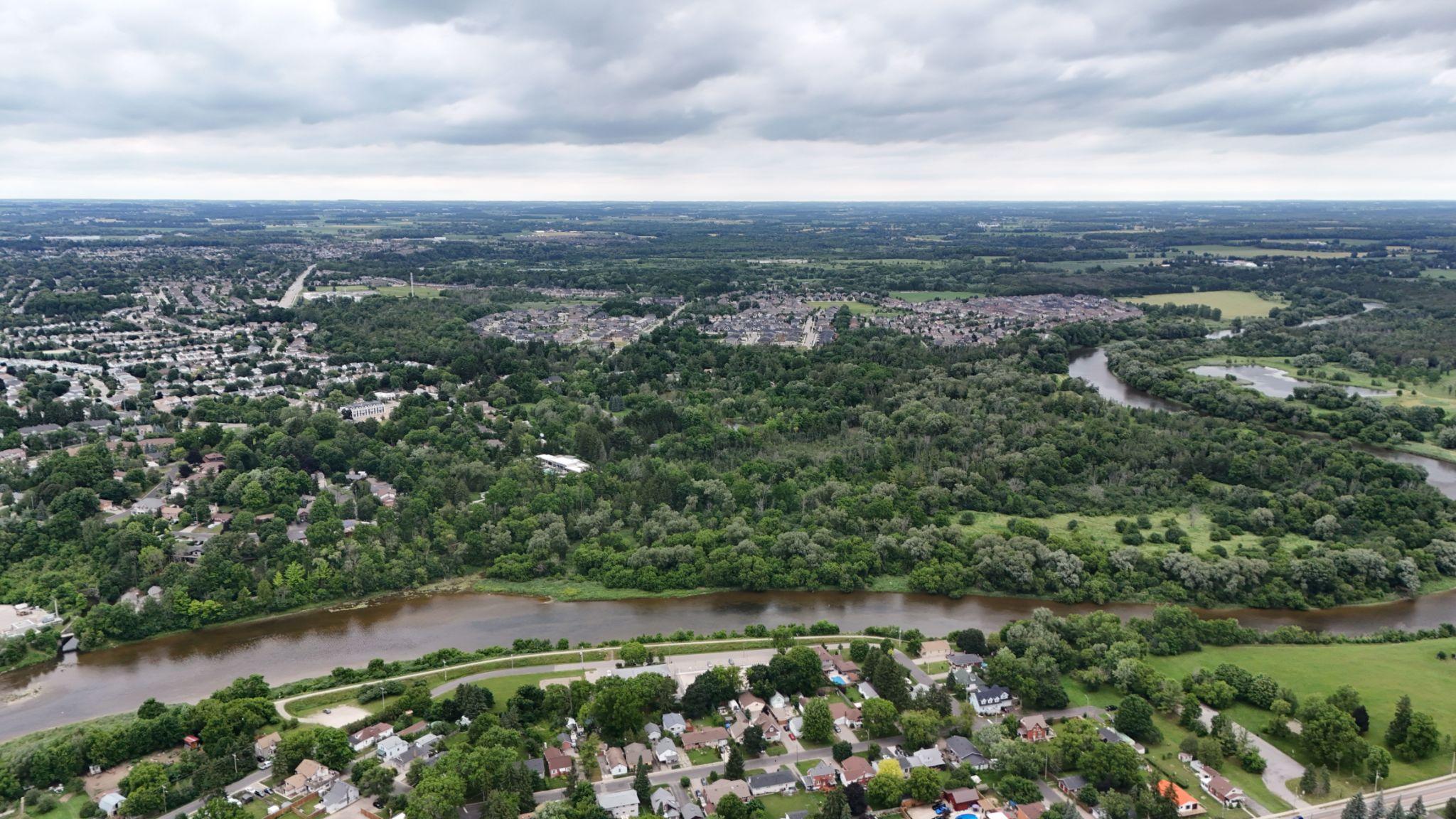
Read the zoning by‑law text, not just the schedule. Confirm parking ratios, height limits, gross floor area definitions, outdoor storage permissions, drive‑through restrictions, and setback or loading rules. In townships, agricultural designations interact with nutrient management and minimum distance separation from livestock facilities. Along rivers and creeks, the Grand River Conservation Authority regulates development in floodplains and erosion hazards. A site plan agreement might cap uses or lock in improvements you will have to replicate on redevelopment.
An appraisal that assumes a future highest and best use must show feasibility, including soft costs, approvals risk, and time to cash flow. Without that, the land lift is a wish, not market value.
Skipping environmental diligence because there is “no smell”
Phase I Environmental Site Assessments exist for a reason. Dry cleaners used chlorinated solvents. Older manufacturing used degreasers and oils. A site can present as pristine after a decade of office use while the subsurface tells a different story. Contamination, or simply the risk of it, affects financing terms, buyer pools, and therefore value.
If there is a known Record of Site Condition or a risk assessment on file, disclose it early. If a Phase II identified contaminants, the appraisal should model the costs and time for remediation or risk management, and recognize the impact on achievable cap rates. Lenders in this region tend to be conservative where environmental risk intersects with shallow buyer pools, especially for small bay industrial near residential neighborhoods.
Measuring area the same way everyone else does
Rentable versus usable area, BOMA standards, mezzanines that are not permitted, and old surveys that do not reflect building expansions all contribute to square footage confusion. I once reviewed a portfolio where the reported gross leasable area across five buildings was off by 8 percent after a proper measure. That swung the valuation by more than a million dollars at market cap rates.
Verify measurement standards and provide current drawings. If in doubt, budget time for an as‑built measure or a quick on‑site verification of key dimensions. For land, confirm easements, encroachments, and rights‑of‑way that reduce effective site area. Utility corridors, daylight triangles at intersections, and municipal widenings can carve more from a site than owners expect.
Underestimating functional obsolescence
Industrial buyers pay for clear height, power, loading count, and truck maneuvering. Retail tenants notice bay widths, column spacing, and façade rhythm. Office tenants reward efficient floorplates and modern systems. In adaptive reuse buildings across downtown Kitchener and uptown Waterloo, character sells, but old windows, low floor‑to‑floor heights, and shallow slab capacity impose limits.
I have seen two nearly identical‑size warehouses, one with 28‑foot clear and ample trailer parking, the other with 16‑foot clear and tight loading. The first traded at a sub‑6 percent cap based on credible growth, the second needed a 200 to 300 basis point premium because rents were already near ceiling for its utility. Appraisals that apply a single cap rate because the buildings are both “industrial” miss the structural reasons buyers price risk differently.
Cost approach that ignores local tender reality
Replacement cost is not a national average. Trades in Waterloo Region price differently than in the GTA, and soft costs plus developer profit have climbed in step with regulatory complexity and financing risk. If the cost approach appears in the report for special‑purpose properties or newer assets, it should reference regional tender results, not a database alone. Include site works, servicing, escalation, contingencies, and a realistic developer’s incentive. When those are understated, the cost approach can become a misleading anchor in reconciliation.
Choosing the wrong definition of value and property interest
Appraisals prepared for expropriation, property assessment appeals, mortgage financing, or litigation may require different definitions of value and different property interests. Fee simple value assumes market rent, not necessarily the rent in place. Leased fee value capitalizes the benefits and burdens of the existing leases. Using the wrong lens can invert the conclusion.
For instance, a long‑term lease of a pad site at a below‑market rent with fixed bumps erodes value to a purchaser of the leased fee, even if the property looks strong at first glance. A tax appeal that pretends a long‑term below‑market lease can be valued at market rent will not survive scrutiny. Ask your commercial appraisal services provider in Waterloo Region to state clearly the interest being appraised and the definition of value required for the assignment.
Ordering an appraisal without scoping lender or program requirements
Not every lender wants the same report. Some require AACI‑designated signatories and strict compliance with CUSPAP. Certain programs for multi‑residential financing may require stabilized pro formas with stress tests, vacancy and bad debt minimums, or specific exposure time statements. I have seen closings slip two weeks because the original instruction letter omitted a retrospective effective date for a purchase price allocation, and the report had to be re‑issued.
Confirm form, scope, and effective date at the start. If a retrospective date is needed, gather the contemporaneous market evidence early. If a prospective date is necessary for a construction loan, clarify what level of pre‑leasing or pre‑sales the lender assumes.
Overreliance on pro forma at the expense of market
Owners who have managed property well often build convincing pro formas. Those are useful, but appraisers test them against market behavior. An underwriting that predicts office rent growth at 4 percent annually while similar space in the same node shows flat net effective rents will not hold. Industrial vacancy can move quickly on small bases; an absorption assumption should tie back to credible leasing velocity.
Ask the appraiser to show the bridge between your pro forma and the market underwriting. Where the two diverge, understand the evidence. Sometimes the market is behind your asset’s performance because you created real differentiation. Other times the market is ahead, and a pro forma is lagging recent deals.
Not preparing the basics before the site visit
You can save days and improve accuracy by assembling a concise package ahead of time. When a client sends only a rent roll and a tax bill, you will still get a valuation, but it will be blunt. Sending a complete folder results in faster, cleaner analysis.
Here is a lean checklist owners and brokers in Waterloo Region can use before engaging a commercial appraiser:
- Current rent roll and fully executed leases, including amendments and side letters
- Trailing 24 months of income and expense statements, plus budgets
- Site plan, floor plans, recent survey, and any measurement certifications
- Zoning confirmation and any site plan or development agreements on title
- Environmental reports, building condition reports, and capital plan with recent work
Ignoring rural and edge‑case properties
In Woolwich, Wellesley, Wilmot, and North Dumfries, value for rural commercial and industrial properties can hinge on things that urban owners overlook. Aggregate resources, haul routes, and extraction licenses matter. Farm‑adjacent properties run into minimum distance separation limits for new or expanded livestock facilities. Private services change highest and best use. Leasing dynamics are different, buyer pools are thinner, and financing takes a different shape.
I have seen a seemingly modest shop on a county road trade at a rich number because it sat on a route with few alternatives https://remingtonfvkl843.fotosdefrases.com/common-mistakes-to-avoid-in-commercial-appraisal-in-waterloo-region for trucking and had legal outdoor storage where zoning often restricts it. I have also watched a buyer overpay because an assumed expansion area fell under conservation regulation. If your asset sits at the urban fringe, invest time early to understand the specific constraints and privileges that come with that location.
Cap rates without context
Clients often ask for the “cap rate today.” The answer is, it depends on asset type, lease structure, tenant quality, term, building utility, and capital requirements. Even within a category, there is a spread. Historically, modern logistics industrial in the region has traded at premiums to older shallow bay stock, and multi‑tenant retail with strong daily needs anchors prices differently than specialty retail with volatile sales. Offices with institutional tenants on long terms command one set of rates, while short‑term creative office with heavy TI requirements commands another.
A credible commercial appraisal in Waterloo Region will not drop a single number. It will describe a range, explain why the subject sits where it does within that range, and reconcile to a supported point estimate. If a report presents a cap rate with no positioning logic, read carefully.
Development potential that shows up only on a napkin
Along the ION corridor and within Major Transit Station Areas, owners sometimes ask appraisers to value “as if redeveloped” to mixed‑use. The math feels simple until you pencil it with real construction costs, inclusionary or community benefits, parking requirements, and interest carry. You also need a timeline. If you hold an income property that throws off reliable cash while approvals take two to five years, that waiting period has a cost and risk.
Where a redevelopment scenario is part of the assignment, ask for an explicit residual land value analysis with sensitivity to rents, costs, and time. A one‑line “density premium” obscures more than it helps. Lenders will expect to see that rigor before extending credit on the basis of future potential.
Special‑purpose properties without the right comparables
Auto dealerships, hotels, self‑storage, churches, schools, and data centers do not behave like generic commercial. A hotel’s value converges on its income under competent management. A dealership’s throughput capacity, frontage, and OEM covenants matter as much as site area. Self‑storage relies on unit mix and digital marketing effectiveness, not just zoning and GFA. If the appraiser treats these as ordinary income properties with a thin set of inappropriate comparables, the result will miss how buyers price them.
Ask your appraiser about their track record with your property type, and whether they will source performance metrics beyond public sales. For many of these assets, the cost approach and a properly adjusted income approach carry more weight than direct comparison.
Report red flags worth pausing for
When reviewing a draft, a few patterns are reliable alerts that something is off. Use this quick list to decide whether to ask for clarification before the report goes final:
- A single cap rate applied across multiple buildings with different utility or risk
- Comparables more than 18 to 24 months old with no market bridging analysis
- No reconciliation narrative explaining why approaches were weighted as they were
- Omitted exposure time and marketing period or boilerplate numbers without support
- Zoning summarized in a paragraph with no reference to permissions that matter for the subject
Timing and effective dates that do not match the problem you are solving
Value is a function of a specific date. If you are resolving a shareholder dispute based on a valuation date last year, a current‑date appraisal is not the right tool. If you are financing a building under renovation, the effective date should reflect either the as‑is condition or an as‑if‑complete scenario with realistic assumptions and a credible timeline. Mixing these will produce a conclusion that is neither here nor there.
Spell out the effective date and intended use at instruction. An experienced provider of commercial appraisal services in Waterloo Region will reflect that in the engagement letter and the report.
Being shy about telling the story behind the numbers
Some owners hesitate to share tenant background, pending renewals, or issues that might look like blemishes. In practice, the more context you provide, the more accurate the underwriting. If a tenant has a termination right but has verbally committed to expansion subject to a rent credit, tell the appraiser. If the property had a large claim that resulted in a full roof replacement, provide the documentation. When the story is consistent and verifiable, market participants often pay for the upside and discount the downside appropriately. The appraisal should mirror that behavior.
Practical steps to set up a clean assignment
When you contact a commercial appraiser in Waterloo Region, a short, specific instruction saves time and rework. Keep it to a page and include the property address and PIN, the intended use, the property interest, the effective date, any lender or program requirements, and a list of documents you will provide. If timing is critical, say so and explain why. Good appraisers adjust their calendars when a closing or a tax deadline is at stake, but only if the scope is clear.
If you are shopping for proposals, ask for a brief scope outline and the expected methods and data sources. The lowest fee can be a bargain or a warning. What matters is whether the appraiser understands your assignment and has the data to defend it.
Why this matters now in the Region
Waterloo Region’s growth continues to produce mismatches between old assumptions and new realities. Industrial land near the 401 is scarce, and buyers are paying for utility that older stock cannot easily deliver without significant capital. Office demand is diversifying, with some firms consolidating into efficient footprints and others leaning into character space near transit. Retail that serves daily needs holds value, while discretionary formats fight harder. Policy around intensification and station areas keeps evolving, and lenders sift asset quality more finely than they did a few years ago.
A careful, locally grounded appraisal helps you avoid overconfidence and missed opportunities. It protects you when the lender’s underwriter reads to page 60, and it gives you a roadmap when you decide whether to hold, refinance, reposition, or sell.
The bottom line for owners, lenders, and advisors
A strong commercial appraisal in Waterloo Region is not about swollen reports or perfect forecasts. It is about asking the right questions, matching the data to the real submarket, and owning the assumptions in plain sight. If you avoid the common mistakes above, you will get a number that travels well from the conference room to the credit committee and, ultimately, to the closing statement.
For owners, that means preparing a clean package, being candid about leases and conditions, and insisting on a narrative that explains not just the “what,” but the “why.” For lenders and advisors, it means scoping precisely, setting the effective date correctly, and engaging appraisers who know when a comparable belongs in Cambridge rather than Waterloo, and vice versa.
Waterloo Region rewards precision. So do good appraisals. When you hire commercial appraisal services in Waterloo Region that are willing to challenge assumptions, test pro formas, and explain their positioning of the subject against real evidence, you sidestep the traps that cost time and money. And you buy clarity in a market that keeps changing just enough to fool anyone who treats it like somewhere else.