Commercial Building Appraisal for Investors in Wellington County
Commercial real estate in Wellington County has its own rhythm. The towns are distinct, the tenant mix skews practical, and infrastructure varies block by block. Investors who treat Fergus like Mississauga or Puslinch like Kitchener often miss what actually drives value. A sound appraisal frames those local realities, separates story from numbers, and helps you negotiate with lenders and counterparties from a position of clarity.
I have worked on properties from small-bay industrial in Minto, to mixed-use main street buildings in Centre Wellington, to highway commercial near Puslinch. The same three valuation approaches still matter, but execution shifts with servicing, zoning, tenant profile, and the very specific market evidence available. What follows is a candid tour of how a commercial building appraisal in Wellington County actually gets built, what investors can do to sharpen results, and where judgment calls make the difference.
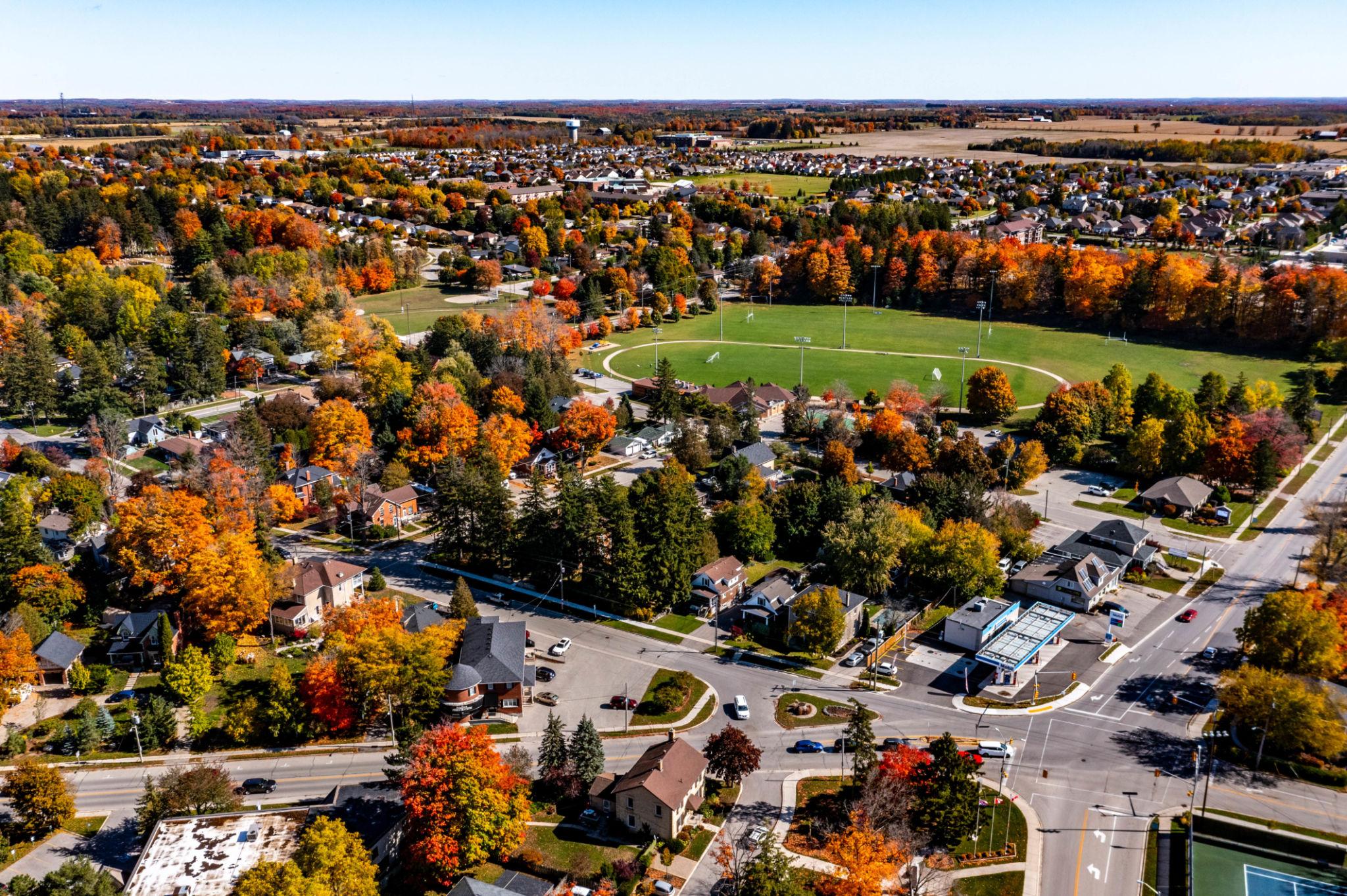
A county of micro-markets, not a monolith
Centre Wellington, Wellington North, Erin, Minto, Mapleton, Puslinch, and Guelph-Eramosa all sit within the same county boundary, yet they trade on different drivers. Centre Wellington benefits from tourism in Elora and a stable employment base in Fergus. Mount Forest and Arthur serve broad rural catchments, so a single anchor tenant can sway pricing. Along Highway 401 in Puslinch, exposure and access push land values and industrial demand higher, even when municipal services are limited or reliant on private systems.
Keep in mind that the City of Guelph is a separate jurisdiction, but it is close enough to influence cap rates and tenant expectations. Spillover demand for industrial and logistics space often tracks along the 401 corridor, while main street retail dynamics in Elora and Fergus are far more tied to local foot traffic and destination retail.
For appraisers, this mosaic means comparable sales and rents must be hyper local or carefully adjusted. A national cap rate report can be a useful backdrop, yet a one-page lease roll from a single strip plaza on St. David Street tells you more about achievable rents and vacancy risk than a national average.
What truly moves value in Wellington County
Most underwriting models begin with rent, expenses, and a cap rate. In practice, several local variables lean heavier than outsiders expect.
Servicing and utilities set the floor. In Puslinch and parts of Erin and Guelph-Eramosa, private wells and septic systems limit density and expansion options. A light industrial condo on private services will not underwrite like a similar box on municipal water and sewer in Fergus. Appraisers will adjust for operating risk, replacement reserves, and sometimes exit cap if expansion is off the table.
Zoning and conservation overlays can change the highest and best use, especially near the Grand River or within Grand River Conservation Authority regulated areas. In Elora and along portions of the river in Fergus, floodplain restrictions affect ground floor uses and expansion. I have seen a 10 percent swing in indicated value once a preliminary review confirmed a flood fringe designation that precluded a planned patio and reduced retail frontage appeal.
Tenant quality tilts the cap rate more than the lease rate. National covenants are rarer here. Good local operators with five to ten years of tenure often outperform branded but thinly capitalized franchises. A bakery in downtown Elora that survived three winters and grew through shoulder seasons might justify a tighter yield than a short-term franchise with head office churn.
Parking and access matter more in towns with limited transit. A small plaza https://daltonjbig947.bearsfanteamshop.com/understanding-market-value-commercial-property-assessment-in-wellington-county in Mount Forest with clean egress and 35 stalls can rent 1 to 2 dollars per square foot higher than a comparable strip hugging a tight corner with poor visibility.
Construction type and age tie back to insurance and maintenance. Pre-engineered steel from the early 2000s with clear heights above 18 feet fetches a meaningful premium versus older mixed-masonry buildings with segmented floor plates. With rising insurance deductibles on certain roof assemblies, appraisers will dig into age and membrane type, then reflect it either in a higher reserve or a slightly higher cap.
The valuation playbook, adapted
Every report considers the cost, sales comparison, and income approaches. The weight each one carries depends on property type and available evidence.
Income approach anchors most stabilized assets. For a 12,000 square foot industrial building in Minto with two tenants on net leases, the direct capitalization method is usually appropriate. Appraisers will normalize rents to market, set a vacancy and credit loss allowance, and build a net operating income that reflects typical recoveries for realty taxes, insurance, and common area maintenance. In towns where vacancy runs thin and turnover is infrequent, the vacancy allowance often falls in the 2 to 4 percent range. In mixed-use main street buildings with upper apartments, it can tick higher for the retail portion if there is seasonality risk.
Discounted cash flow appears when lease-up, rollover risk, or development phasing matter. A new-build commercial condo stack in Fergus with 60 percent pre-sold units and 40 percent leased warrants a lease-up model with appropriate absorption and downtime. Lenders ask how the cash flow behaves in year two, not just year one.
Sales comparison approach offers triangulation, but sales are sparse and heterogeneous. You might find three industrial sales within 25 minutes, all different sizes, ages, and servicing. Adjustments for size economy, clear height, and condition can run 10 to 25 percent cumulatively. An experienced appraiser will show the math and not hide behind a neat bracket if the evidence is thin.
Cost approach becomes relevant for special-use assets or newer builds without mature income history. Rural medical clinics, feed mills with ancillary retail, or purpose-built contractor yards can justify a cost-based check with land value extracted from serviced or unserviced comparables. In these cases, external obsolescence needs careful treatment. A well-designed but overbuilt small-town medical office can be expensive to replicate, yet still trade on an income basis if physician tenancy is not locked.
Cap rates you actually see, with caveats
Investors always ask for cap rates by asset class. The honest answer is that published provincial averages rarely match small-town reality. Based on files over the past two years, broker chatter, and closed deals shared under confidentiality, here are reasonable ranges that I have seen in Wellington County, noting that specific location, covenant, lease term, and building quality can move a deal outside the band.
Small-bay industrial, 8,000 to 30,000 square feet, decent clear height and loading, mostly net leases, often trades in the mid 5s to low 7s on stabilized income. Proximity to Highway 401 in Puslinch drives the tight end. Older buildings in Arthur or Palmerston with functional quirks can push higher.
Main street retail in Elora and Fergus commonly sits between 6.25 and 8.25 percent, with boutique ground-floor spaces on short terms skewing higher unless the location is truly prime. Seasonal concentration or heavy tourist dependence widens the band.
Strip plazas anchored by service uses like pharmacy, hardware, or grocery-lite can tighten into the high 5s to mid 6s, more so if lease terms exceed five years with options.
Five-plus unit residential mixed-use over retail in core locations has seen multi-residential cap compression spill over, but uncertainty around rent control and utility passthroughs creates a spread. I have seen effective blended cap rates in the 4.75 to 6.25 percent range depending on suite quality, meter separation, and turnover history.
These are not offers or predictions. They are snapshots in time, and momentum matters. A single new lease to a strong covenant can shift value by hundreds of basis points in thin markets.
Commercial land appraisers in Wellington County face different puzzles
Vacant land is not just a square on a map. It is a bundle of permissions, servicing realities, and timeline risk. Commercial land appraisers Wellington County focus on four friction points.
Highest and best use is step one. On a highway commercial site in Puslinch within sight of the 401, the demand profile looks nothing like a village core parcel in Erin. If the county official plan and local zoning align for highway commercial, depth of market for gas, quick service restaurants, or logistics-related uses drives the valuation framework. In a core area, mixed-use permissions might cap ground-floor retail depth and set parking ratios that limit scale.
Servicing often dictates residual value. If a site needs private well and septic, the achievable building footprint shrinks. For shallow lots with high groundwater tables, septic field size can become a hard stop. I have adjusted unit rates by six figures per acre once servicing letters confirmed no municipal extension in the medium term.
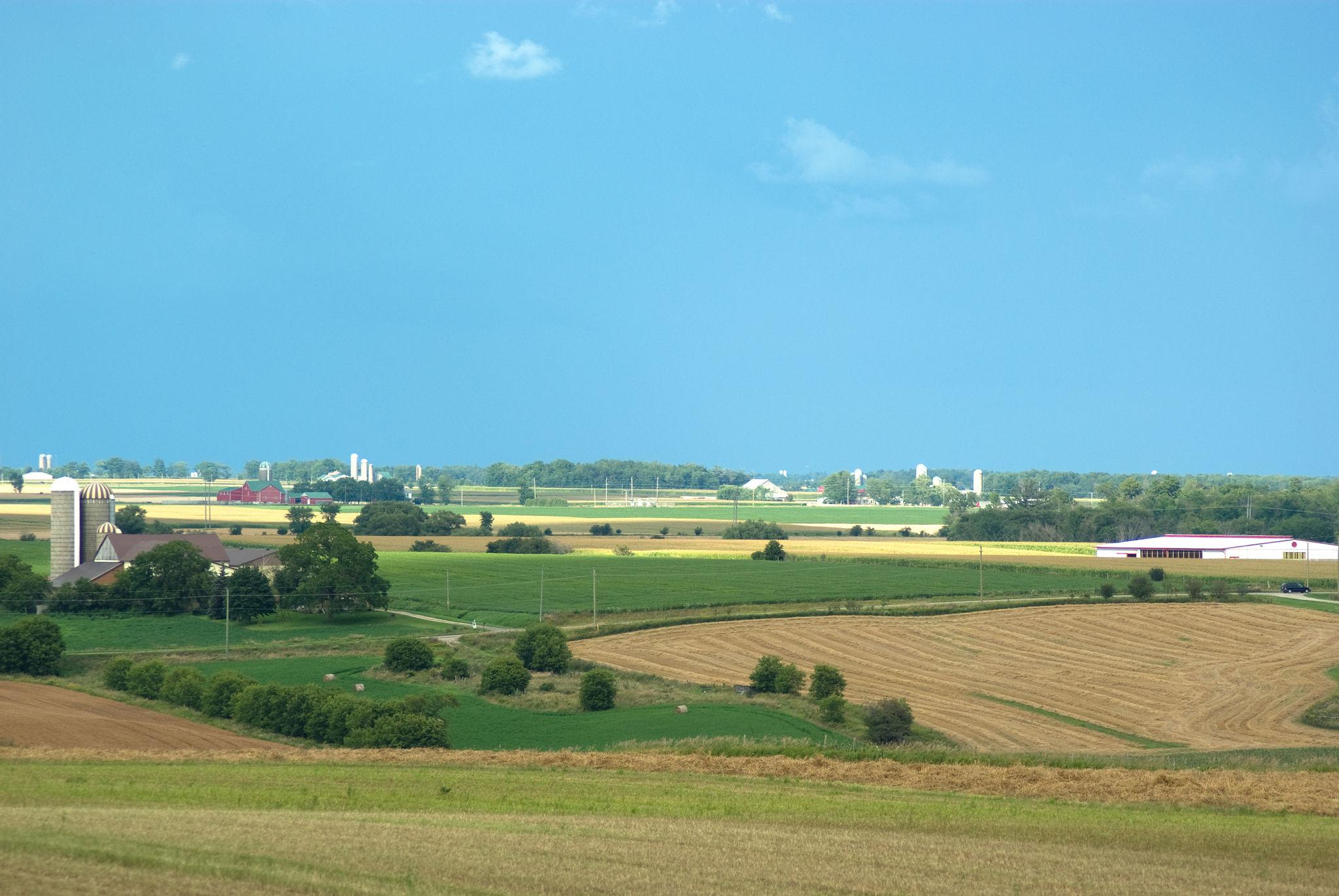
Conservation authority regulations can sterilize portions of a site. In Centre Wellington, GRCA mapping may constrain development near watercourses. Setbacks and buffers are not appraisal footnotes, they are land value drivers.
Sales evidence requires forensic work. So-called land comps include conditional sales that die at site plan. An appraiser must separate firm, closed sales from marketed asking prices. On one file, a supposed comp at 1.3 million per acre turned out to be a serviced, site-plan-approved deal; the subject was raw with no approvals. Apples to oranges by a wide margin.
What “commercial property assessment Wellington County” really means
Many owners read their Municipal Property Assessment Corporation notice and assume that number equals market value. It does not. MPAC sets assessed values for property taxation using mass appraisal models. A commercial building appraisal in Wellington County, prepared by a designated appraiser, estimates market value for a specific effective date using property-level data and verified comparables. I often explain to lenders and owners that MPAC is a tax base tool. It can be directionally informative, but it is not a financing document.
If your MPAC value looks high, it may be worth a Request for Reconsideration, yet expect a different line of analysis than a lender ordered appraisal. The terms are similar, the purposes diverge.
Lender expectations, scopes, and timelines
Most lenders financing commercial property in Wellington County ask for an appraisal from an AACI designated member of the Appraisal Institute of Canada, or an equivalent credential for smaller mixed-use files. Desktop reports appear for low leverage renewals, but full narrative reports are the default for purchases, new construction, and refinances above modest thresholds.
Turnaround times range from 10 to 20 business days after site access and full document receipt. Rush files happen, though fieldwork and verification still take time. Fees vary with complexity. A stabilized small industrial or retail building might fall in the 3,500 to 6,000 dollar range. Complex mixed-use or multi-tenant assets, or assignments that require a cash flow model and extensive comparable development analysis, can rise to 8,000 to 12,000 dollars or more. Land appraisals with layered constraints fall in a similar band depending on scope.
Engagement letters matter. Spell out as-is versus as-if-complete values, prospective dates, and any extraordinary assumptions such as pending legalization of a non-conforming use or completion of a septic upgrade.
Lease structures and real underwriting
Most Wellington County commercial leases are net or triple net in form, yet the truth lies in the recoveries. Older main street buildings often have semi-net arrangements where landlords still absorb certain capital-like items that are dressed up as operating. I look hard at snow removal and waste management in towns that handle service differently across zones. If tenants are on gross leases at slightly higher face rents, appraisers will peel back to net by modeling typical recoveries. For financing, lenders prefer to see market-normalized expenses and vacancy.
Turnover and downtime get more attention today. A five-year lease with no options is not a five-year certainty if the tenant is new and highly seasonal. I have seen underwriters haircut to three years effective for covenant and marketability, then widen the exit cap by 25 to 50 basis points to reflect re-leasing risk in secondary nodes.
Data quality and the art of comping
Sales and rent data outside large metros require patience. I make phone calls to listing agents and property managers in Fergus, Palmerston, or Clifford to verify lease terms that never made it to a database. The story behind a sale can be the key. A farm implement dealer buying the adjacent building for consolidation is not a pure market comp for an investor. The price might be top of range due to synergies, and any arm’s-length adjustment must be spelled out.
For industrial, I prefer to triangulate three ways. First, stabilize existing building NOI using verified net rents. Second, test the replacement cost with a realistic developer profit and soft cost load. Third, check the implied land value against current serviced and unserviced land rates. When those three stories line up within a range, I am more confident the appraisal reflects true market context.
Environmental and building condition flags that swing value
Phase I environmental site assessments are common in this county, not just for obvious uses like auto repair or dry cleaning. Historic agricultural operations can leave storage tanks and pesticide handling areas. An appraisal may proceed with an extraordinary assumption pending a clean Phase I, but any recognized environmental condition can trigger a holdback or immediate value impact.
On the building side, roofs and electrical systems carry the most surprise in older stock. Torch-on membranes past 18 years old are flashing red flags for lenders. Fuse panels instead of breakers are rare now, but older mixed-use buildings still hide them behind retail drop ceilings. These are not abstract risks. They drive reserves, which drive NOI, which tightens valuation.
An anecdote: a 9,500 square foot light industrial in Arthur looked clean on paper. Site visit revealed undersized septic and no records of pump-outs. The seller agreed to a 30,000 dollar price holdback to address a replacement. The appraisal modeled a reserve consistent with replacement in year one, which aligned with the holdback. The lender was satisfied, and the deal closed. Absent that on-site check, the value might have been overstated.
Choosing commercial building appraisers Wellington County can trust
Experience in the county trumps a glossy national brand. Commercial appraisal companies Wellington County that regularly handle files in Centre Wellington, Mount Forest, Erin, and Puslinch will know which sales are truly comparable and which rents are aspirational. Ask prospective appraisers about recent assignments in your asset class within 20 to 40 minutes of your property. Press them on how they verify rents and what databases they lean on. CoStar and RealNet have coverage, but the call list of local brokers and property managers remains the best source of truth.
Scope discipline matters as well. If you are financing an industrial condo in Puslinch with individual utility meters and a condo board in good standing, the appraiser should speak with the board or property manager about special assessments or reserve adequacy. If you are buying a mixed-use building in Elora, the appraiser should walk the retail frontage midday on a non-peak weekday and on a shoulder season weekend to see real foot traffic.
Preparing for a smoother appraisal
- Current rent roll with start dates, expiries, options, and any rent steps or abatements
- Copies of all leases and amendments, with redactions only if necessary
- Last two years of operating statements broken out by recoverable and non-recoverable expenses
- Evidence of capital projects, inspections, and warranties, especially roofs, HVAC, and septic
- Any third-party reports on environment, building condition, zoning, or servicing
Deliver these items early. Every day spent chasing a missing lease schedule is a day you do not control your financing timeline.
How a typical Wellington County appraisal unfolds
- Engagement and scoping, including intended use, effective date, and value scenarios
- Site inspection with photos, measurements as needed, and interviews with onsite contacts
- Market research and verification calls for sales, rents, and land transactions
- Analysis and modeling using the relevant approaches with sensitivity checks
- Draft review and clarifications, followed by final report issuance and lender Q and A
From first call to final report, expect two to four weeks if access and documents come smoothly. Land and development files can stretch longer due to municipal and conservation authority confirmations.
Edge cases where judgment calls decide the outcome
A vacant former grocery in Mount Forest or Palmerston can look intimidating on paper. The wrong read treats it as single-tenant big box with persistent vacancy. The right read segments the floor plate, tests small-bay conversions with demising and loading changes, and applies a blended lease-up and cap structure. I have seen values stabilize 10 to 15 percent higher than a blunt big box cap once a feasible repositioning plan entered the model.
In Elora, a heritage mixed-use building with strong ground-floor rents but modest upper apartments tested better with an income approach paired with a replacement cost sense-check adjusted for heritage limitations. Pure cost would have overstated value given façade constraints and energy inefficiencies. Pure income would have understated the heritage cachet that sustains retail rents. Bridging the two yielded a credible number that the lender and borrower both accepted.
For commercial land near the 401 west of Guelph, buyers often pitch logistics dream scenarios. Appraisers must test truck routing, turning radii, and municipal appetite for heavier industrial traffic. A beautiful rectangle of acreage can drop in value when turning templates show impractical access without significant roadwork. Better to catch that in the appraisal than learn it mid site plan.
Fees, formats, and when to ask for more or less
Not every file needs a 120 page treatise. If you are renewing a modest loan on a fully stabilized small-bay industrial with no history of environmental concerns, a summary narrative may suffice if the lender allows it. If you are buying a mixed portfolio of three properties in Erin, Fergus, and Arthur, ask for a portfolio appraisal with property-level breakouts and a consolidated analysis. You may save on fees and get consistency across the set.
If a property has a material pending change, such as a near-complete renovation, order as-is and as-if-complete values with a clear definition of what “complete” means. Lenders use that to structure holdbacks. For phased developments, a prospective value effective a date in the future can support construction milestones, but only when grounded in reasonable absorption and cost assumptions verified against current market conditions.
Using the appraisal to sharpen your investment thesis
A good commercial building appraisal Wellington County does more than satisfy a lender. It tests your assumptions. If the appraiser pegs market rent for your boutique retail in Fergus at 26 dollars net and you modeled 30, do not dismiss the gap. Ask which comps drove the call. If they are similar frontage and depth on similar blocks, adjust your pro forma and lease-up incentives. If the appraiser used secondary side-street comparables because your immediate street had no fresh data, share signed offers or letters of intent that verify traction.
If the cap rate conclusion sits at 6.75 percent and you believe your asset deserves 6.25, isolate the spread. Is it covenant risk, remaining term, building condition, or location nuance? You can often buy your way to a tighter yield over 12 to 24 months through targeted improvements, longer terms, or tenant mix upgrades. The appraisal becomes a roadmap, not a verdict.
A note on communication with lenders
Lenders appreciate clarity. When you receive a draft report, read the assumptions and limiting conditions. If the appraiser flagged a missing Phase I or uncertainty around zoning compliance, solve it with documents, not debate. I routinely see financing decisions accelerate when borrowers deliver third-party confirmations quickly. Conversely, disputes over 25 basis points of cap rate with no new evidence rarely change outcomes and often slow closings.
When to call commercial land appraisers Wellington County early
If you are tying up a site with a short diligence window, get an appraiser into the loop before waiver. A quick highest and best use check, a scan of servicing and conservation overlays, and a call to municipal staff can save or shape a deal. I have advised clients to narrow a purchase boundary to exclude a regulated swale, saving six figures and months of approvals. That advice rests on local experience and the ability to read constraints that do not show in glossy marketing packages.
Final thoughts from the field
Commercial real estate value in Wellington County reflects practical economics. Buildings that are easy to maintain, easy to lease, and easy to understand tend to fetch the strongest pricing. Properties fighting their sites, their services, or their covenants pay a penalty. Appraisals translate those truths into a defensible number that parties can rely on.
Choose commercial building appraisers Wellington County who know the town where the asset sits. Ask them to show their work, especially adjustments and the source of each comparable. Provide full documents early, including leases and operating statements. Treat the appraisal as a stress test for your underwriting, not an obstacle. If you do, you will find the process improves the investment, the negotiation, and the financing outcome.
And if you are unsure whether you need a commercial property assessment Wellington County for tax reconsideration, a market value appraisal for financing, or a land valuation for a purchase, clarify the purpose first. The right tool depends on the job. In this region, where one block can change the story, that clarity is worth real money.